
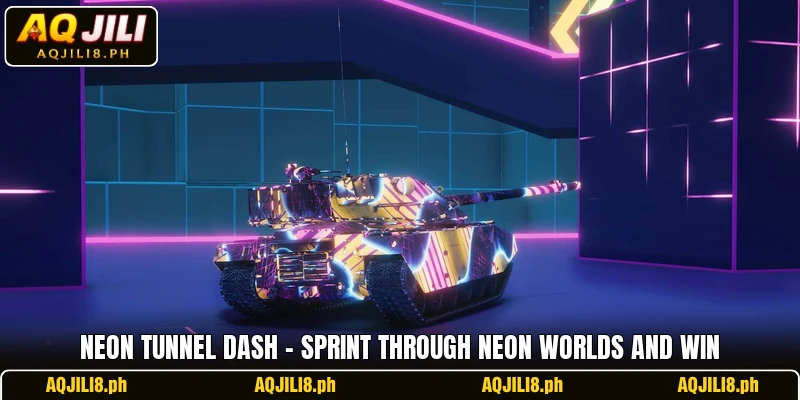
Neon Tunnel Dash places players inside a glowing lane where each move needs quick reading. This article is written for Philippines members on AQJILI, helping players understand rules, rooms, entries, and practical play goals without heavy terms.
How Neon Tunnel Dash seems for new players
The first impression comes from speed, color, and a tunnel view that moves forward. Players see lanes, barriers, and timing points before every short round begins on mobile or desktop screens. AQJILI keeps the setting direct, so members can follow the screen without extra steps.
The game depends on sharp turns, quick lane shifts, and clean reactions. Each round asks players to watch openings while the tunnel keeps pulling ahead. Stakes may show in PHP or USD, depending on the wallet used and room settings.
A normal session feels simple, yet the screen can change very quickly. Neon Tunnel Dash rewards attention because late moves often miss safe space. New players should first learn movement, round flow, and room pace.

Main rules for flawless tunnel rounds today
Rules are easier to follow when players read the lane before tapping. Every run uses the same basic idea, but speed can change fast.
Track the starting lane
The starting lane gives the first clue about early movement. Players should check its width before choosing the first direction. A narrow opening usually asks for a cleaner and shorter input during tight openings.
Neon Tunnel Dash begins with simple movement, then adds pressure through spacing. The tunnel can show blocks, gaps, and light markers together. Players should react to visible lanes instead of guessing hidden paths.
A good start makes later sections easier to read. Members can use the opening seconds to settle hand rhythm. Poor starts often force rushed taps during the next turn.
Read speed changes early
Speed changes affect how much time players have for each decision. A faster stretch reduces reaction space and makes heavy tapping risky. Slower parts give more time to line up the next move.
Players should notice when the tunnel background begins moving harder. That visual shift often appears before a tight barrier arrives. Neon Tunnel Dash feels fairer when speed signs are read early.
The best response is usually a small adjustment, not a wild move. Short inputs keep the runner near the center during crowded parts. Long swipes can create wide errors that become hard to fix.
Use clear tap timing
Tap timing matters because each input moves the runner into another lane. Players should avoid pressing again before the previous move finishes. Clean timing helps the screen stay readable during quick turns.
A steady tap pattern also reduces missed openings near barriers. Neon Tunnel Dash can punish late inputs when blocks appear close together. Players should keep their eyes ahead, not only on the runner.
Mobile users may prefer shorter taps because fingers cover screen space. Desktop players can use keys for tighter and more even movement. Both setups need the same focus on timing and lane position.
View more: Pixel Escape Pro – Retro Escape Challenges With Adventure
Neon Tunnel Dash route control
Route control means choosing a lane that leaves future space. Players should avoid a path that looks open but ends quickly. The safer route usually keeps more than one next option visible.
Members should compare the left, center, and right gaps before moving. A bright gap may still lead into a sharp wall soon. Good control comes from reading two steps ahead when possible.
Rounds become smoother when route choices stay simple and planned. Players do not need fancy movements to pass a clean section. Neon Tunnel Dash works best with direct inputs and early lane checks.
Practical play techniques for steadier tunnel runs
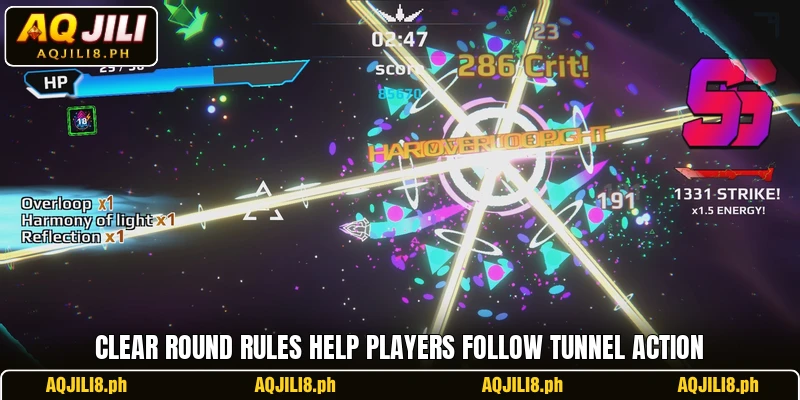
Practical methods help players avoid rushed choices during active rounds. The focus is on room pace, entry size, and reviewing visible patterns.
Choose rooms by pace
Room pace should match the player’s current comfort with movement. A slower room helps members learn spacing without constant pressure. Faster rooms suit players who already read barriers quickly.
Players can test a room through a few small entries first. This helps them understand whether the tunnel speed feels manageable. The run becomes clearer when the room pace matches skill.
A comfortable room also makes mistakes easier to study after losing. Players can remember which lane caused the problem more clearly. That review matters more than changing rooms after every failed run.
Set entries in PHP or USD
Entry size should match the wallet display and room table. Players in the Philippines often see PHP, while some accounts show USD. The amount should be checked before a round is confirmed.
Small entries are useful when learning how a room behaves. Larger entries may suit players who already understand the pattern speed. The main point is confirming value before the tunnel begins.
Players should also check whether the room has minimum and maximum limits. Some rooms may suit short casual play, while others feel higher. Neon Tunnel Dash stays easier to follow when entry choices are clear.
Review patterns after each run
After each run, players can remember where the tunnel became difficult. The issue may be a late tap, wrong lane, or fast corner. Clear review helps the next attempt start with better awareness.
Players should look for repeated shapes, not secret formulas. Some lanes may often become tight after a bright open stretch. This habit improves reading without making unrealistic claims about results.
A short pause after each round can help players reset focus. Members can then choose whether another entry still feels reasonable. Neon Tunnel Dash remains a fast skill-based arcade run with changing outcomes for active players.

View more Category: Arcade
Conclusion
Neon Tunnel Dash gives players a bright tunnel run where timing, lane reading, and route choice matter. The game fits members who want short arcade rounds on AQJILI with PHP or USD entries. Download the app, register an account, and start the game with clear eyes and good luck for the next bright run.